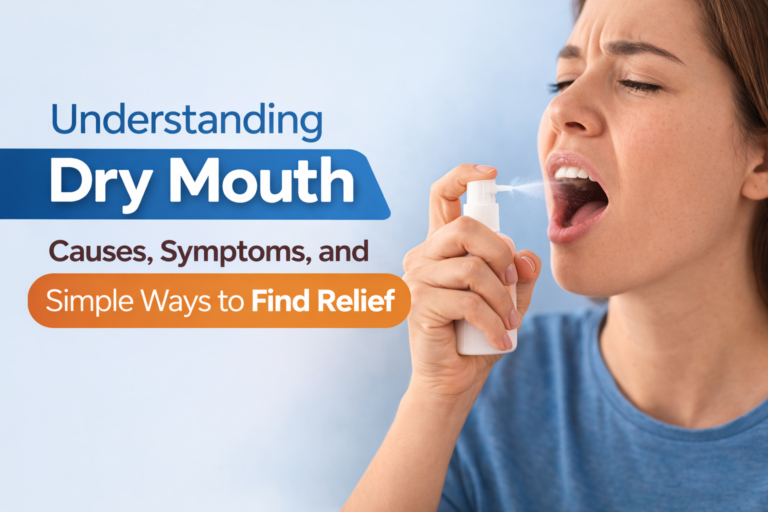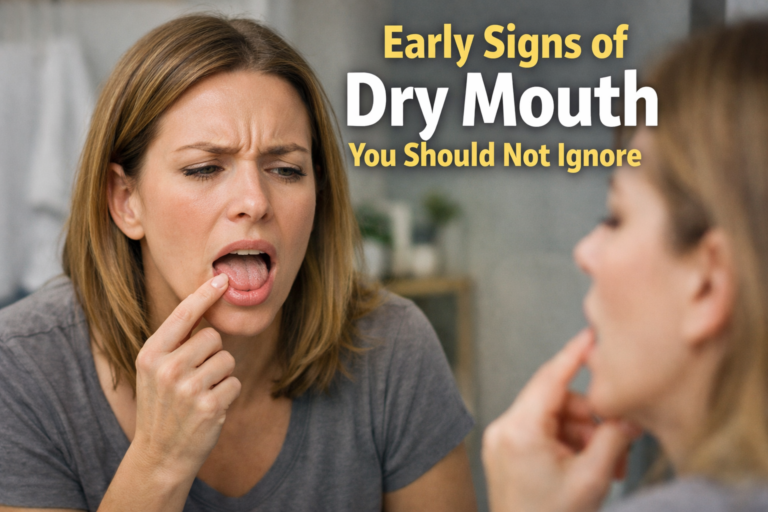
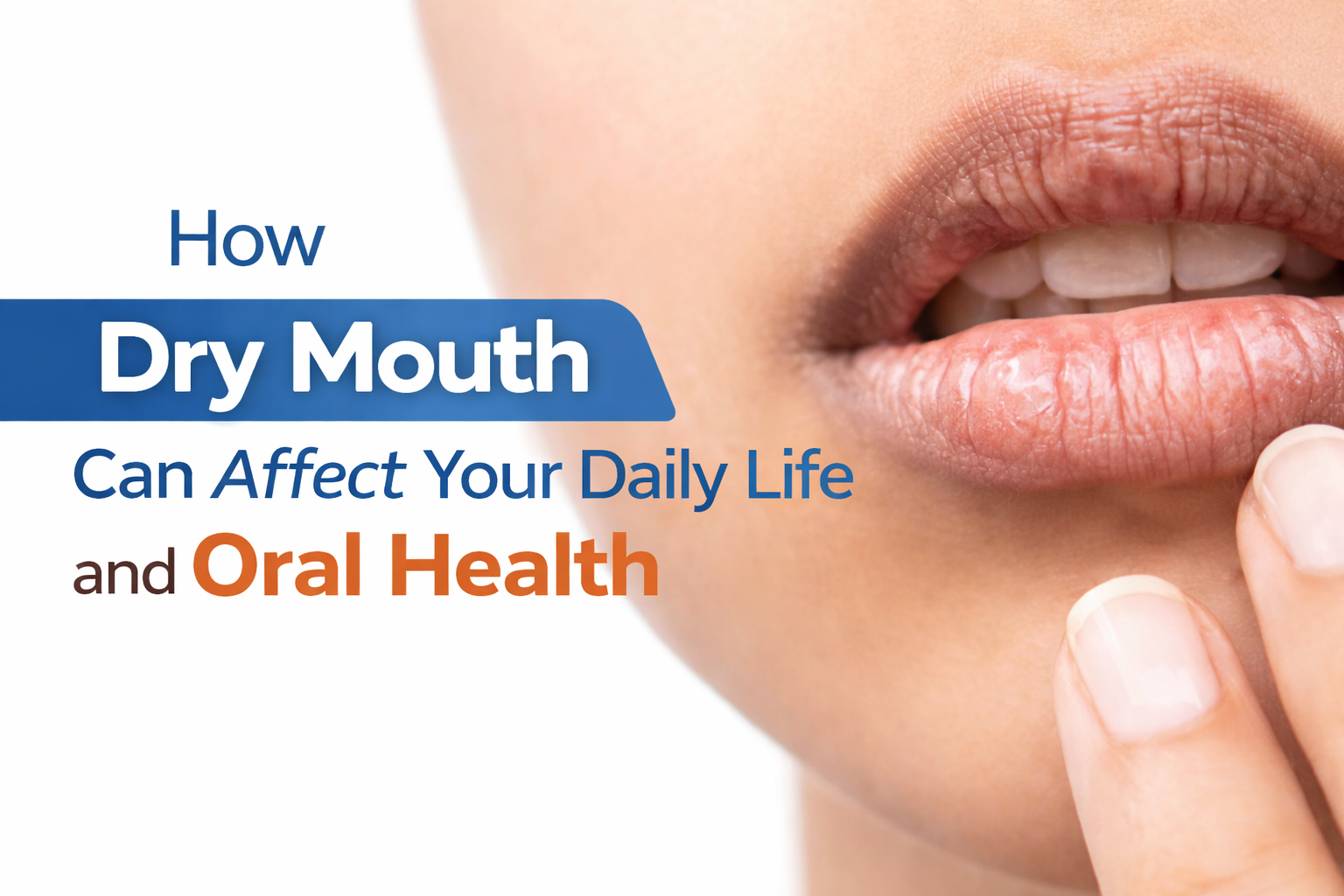
Dry mouth is a condition that many people experience occasionally, but when it becomes frequent or persistent, it can start to affect daily comfort and overall oral health. This condition occurs when the salivary glands do not produce enough saliva to keep the mouth properly moist. Although it may seem like a small inconvenience at first, dry mouth can interfere with simple activities such as eating, speaking, and even sleeping comfortably.
Understanding how dry mouth impacts everyday life can help people recognize the importance of maintaining proper oral moisture and taking steps to manage the condition.
The Role of Saliva in Daily Comfort
Saliva plays an essential role in keeping the mouth healthy and functioning properly. It helps break down food during digestion, making chewing and swallowing easier. Saliva also washes away food particles and bacteria, helping to keep the mouth clean and reducing the risk of bad breath.
When saliva levels drop, the mouth can feel dry, sticky, and uncomfortable. This lack of moisture can make it difficult to talk for long periods, swallow food smoothly, or enjoy meals comfortably.
Everyday Challenges Caused by Dry Mouth
People experiencing dry mouth often face several daily challenges. Eating dry foods can become difficult because there is not enough saliva to help move food through the mouth. Speaking for extended periods may also become uncomfortable because the mouth lacks the natural lubrication needed for smooth speech.
Another common issue is bad breath. Since saliva helps control bacterial growth, reduced saliva allows bacteria to multiply more easily, which may lead to unpleasant breath.
In some cases, dry mouth may also increase the risk of dental problems such as tooth decay or gum irritation because the mouth loses one of its natural protective systems.
Common Causes of Dry Mouth
Dry mouth can occur for many different reasons. Dehydration is one of the most common causes, especially when the body does not receive enough fluids throughout the day. Certain medications may also reduce saliva production as a side effect.
Lifestyle habits such as smoking, tobacco use, and excessive caffeine intake can also contribute to dryness in the mouth. Additionally, some medical conditions may affect the functioning of the salivary glands.
Ways to Improve Oral Moisture
There are several simple habits that can help manage dry mouth and improve comfort. Drinking water regularly throughout the day can help maintain hydration and support saliva production. Limiting caffeine and alcohol may also reduce dryness because these substances can contribute to dehydration.
Chewing sugar-free gum can help stimulate the salivary glands and encourage saliva flow. Maintaining good oral hygiene by brushing and flossing regularly is also important for keeping the mouth healthy and reducing bacterial buildup.
Some individuals may also benefit from oral care products designed to support moisture balance and improve comfort in the mouth.
Conclusion
Dry mouth is more than just a temporary discomfort—it can affect daily activities and overall oral health if not properly managed. Since saliva plays an important role in protecting the mouth, maintaining hydration and healthy oral habits is essential.
By understanding the effects of dry mouth and taking simple steps to support oral moisture, individuals can improve their comfort and maintain better oral health in the long term.