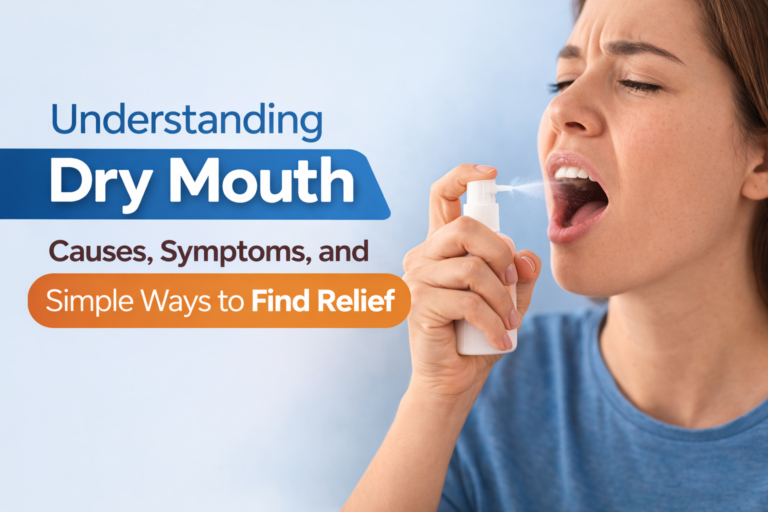
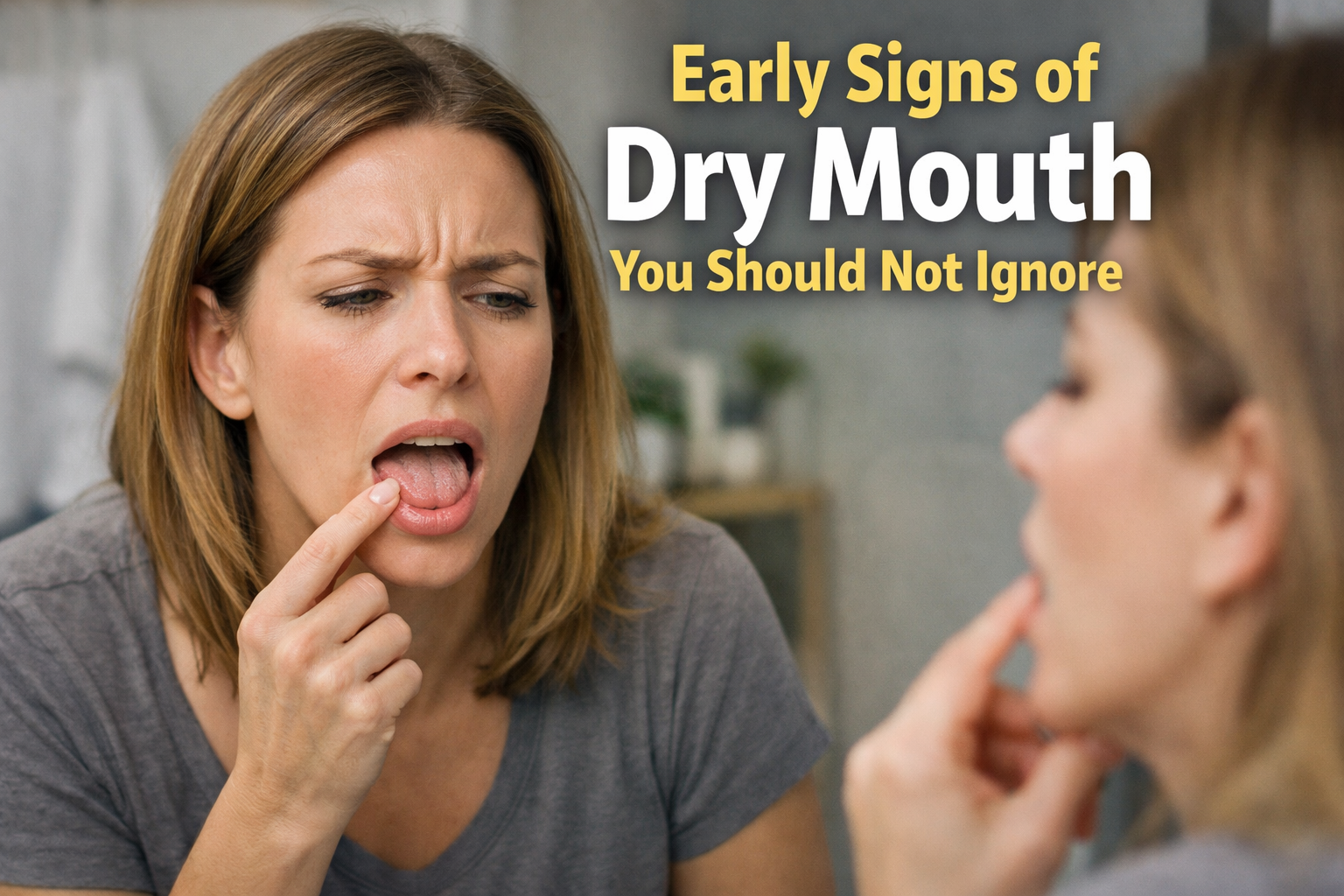
Dry mouth, medically known as xerostomia, is a condition that occurs when the salivary glands do not produce enough saliva to keep the mouth properly moist. While many people may experience dry mouth occasionally, persistent dryness can be a sign of an underlying issue that should not be ignored.
Recognizing the early signs of dry mouth is important because saliva plays a key role in protecting oral health. When saliva levels decrease, it can affect comfort in the mouth and increase the risk of dental problems.
Why Saliva Is Important
Saliva is essential for maintaining a healthy mouth. It helps wash away food particles, control bacteria, and protect the teeth from decay. Saliva also helps with digestion by beginning the breakdown of food in the mouth.
When saliva production decreases, these protective functions are reduced. As a result, the mouth may become dry, irritated, and more vulnerable to oral health issues.
Common Early Signs of Dry Mouth
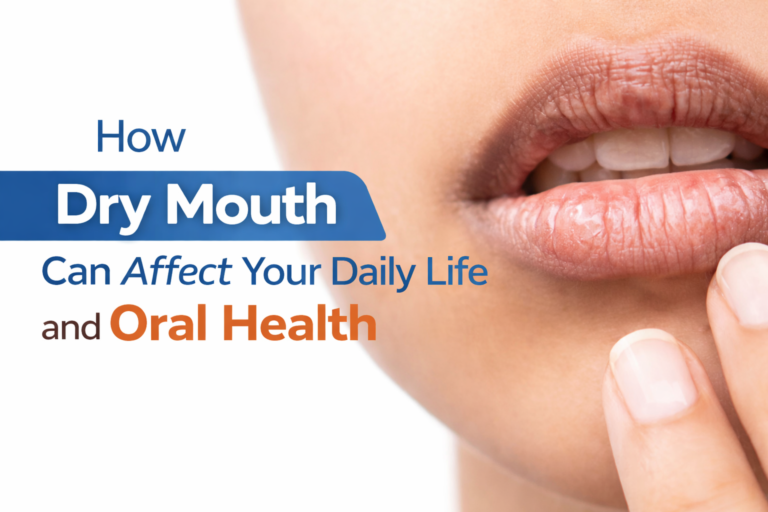
One of the earliest signs of dry mouth is a constant dry or sticky feeling in the mouth. People may also notice that their lips feel dry or cracked, especially during the day.
Another common sign is difficulty swallowing or chewing certain foods. Without enough saliva, food may not move smoothly in the mouth, making eating less comfortable.
Some individuals may also experience a dry throat, hoarseness while speaking, or the need to drink water frequently. Bad breath may also develop because bacteria can grow more easily when saliva levels are low.
Possible Causes of Dry Mouth
Dry mouth can occur for several reasons. Dehydration is one of the most common causes, especially when a person does not drink enough fluids throughout the day.
Certain medications may also reduce saliva production as a side effect. In addition, lifestyle habits such as smoking, tobacco use, and excessive caffeine intake can contribute to dryness in the mouth.
Some health conditions may also affect the salivary glands, leading to long-term dry mouth symptoms.
Ways to Manage Dry Mouth
There are several simple steps that may help reduce dry mouth symptoms. Drinking water regularly throughout the day helps maintain hydration and supports saliva production.
Limiting caffeine and alcohol may also help prevent dryness. Chewing sugar-free gum can stimulate the salivary glands and encourage saliva flow.
Maintaining good oral hygiene by brushing and flossing regularly is also important for preventing bacteria buildup and protecting oral health.
Conclusion
Dry mouth may start with mild symptoms, but ignoring the early signs can lead to more serious oral health problems. Recognizing these signs early and taking steps to support saliva production can help maintain comfort and protect oral health.
Simple daily habits such as staying hydrated and maintaining good oral care can make a significant difference in managing dry mouth and keeping the mouth healthy.